

Categories
East Bay Real EstateAlbany allows several types of accessory dwelling units, including attached, detached, converted ADUs, and junior ADUs, but the rules depend on the property and the type of unit. Current City of Albany guidance covers size, setbacks, height, parking, owner occupancy, rental terms, permits, and a local amnesty path for some older unpermitted units.
If you are thinking about building an ADU, legalizing an existing one, or selling a home that already has one, the most useful first step is to understand which rules apply to your property rather than relying on a generic California ADU checklist.
Last reviewed: September 26, 2026.
Up to 1,000 Sq. Ft. For certain 2+ bedroom attached or detached ADUs on single-family properties.
No Off-Street Parking Required Albany's current ADU rules do not require dedicated off-street parking for an ADU.
30-Day Minimum Rental Term Albany does not allow ADUs or JADUs to be rented for terms shorter than 30 days.
What Counts as an ADU in Albany?
An accessory dwelling unit, or ADU, is an independent dwelling with its own provisions for sleeping, eating, cooking, and sanitation. Albany currently recognizes four basic types:
- Attached ADU: newly constructed space added to a primary dwelling.
- Converted ADU: created within existing space in a primary dwelling or accessory structure.
- Detached ADU: a separate newly constructed structure that does not share a wall with the primary dwelling.
- Junior ADU, or JADU: up to 500 square feet and created within the existing space of a single-family dwelling, including an attached garage. A JADU may share bathroom facilities with the main home.
Why this matters for homeowners:
The type of unit affects size, owner-occupancy rules, how many units may be allowed, and what design or permit requirements apply.
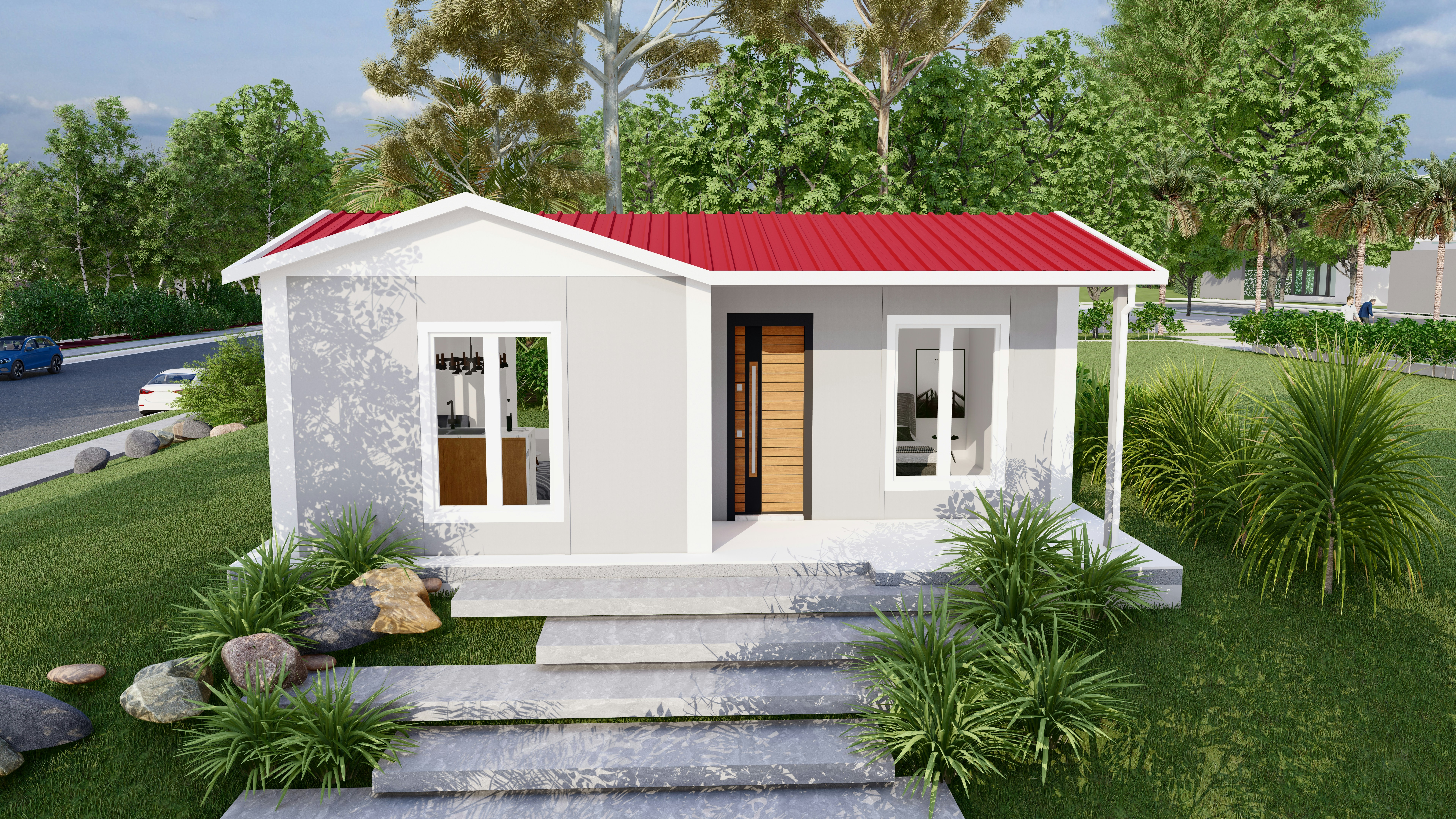
Example of a small detached backyard dwelling. Actual ADU requirements depend on the property and current local rules.
How Large Can an ADU Be in Albany?
On a property with one single-family dwelling, Albany's current summary lists the following maximum sizes:
| ADU Type | Current Albany Size Rule |
|---|---|
| Attached ADU | Up to 850 sq. ft., or 1,000 sq. ft. with 2 or more bedrooms |
| Detached ADU | Up to 850 sq. ft., or 1,000 sq. ft. with 2 or more bedrooms |
| Converted ADU | The City's current summary lists no separate maximum size; the existing structure and other applicable rules still matter |
| JADU | Up to 500 sq. ft. |
Two-family and multifamily properties have a different set of rules and possible ADU combinations. If you own a duplex or larger building, do not assume the single-family limits above apply.
What Are Albany's ADU Setback and Height Rules?
Albany currently requires a 3-foot rear and side-yard setback for a new or expanded ADU. The front-yard setback follows the property's underlying zoning district, but the City notes that the front setback cannot be applied in a way that prevents construction of an 800-square-foot ADU.
Current height limits are:
- Detached ADU: up to 20 feet.
- Attached ADU: up to 25 feet, with an additional 3-foot allowance when needed to match the roofline and pitch of the primary dwelling.
Site conditions can still change what is practical. Properties near Cerrito or Codornices Creeks may fall within Albany's Watercourse Overlay District and can be subject to additional design requirements.
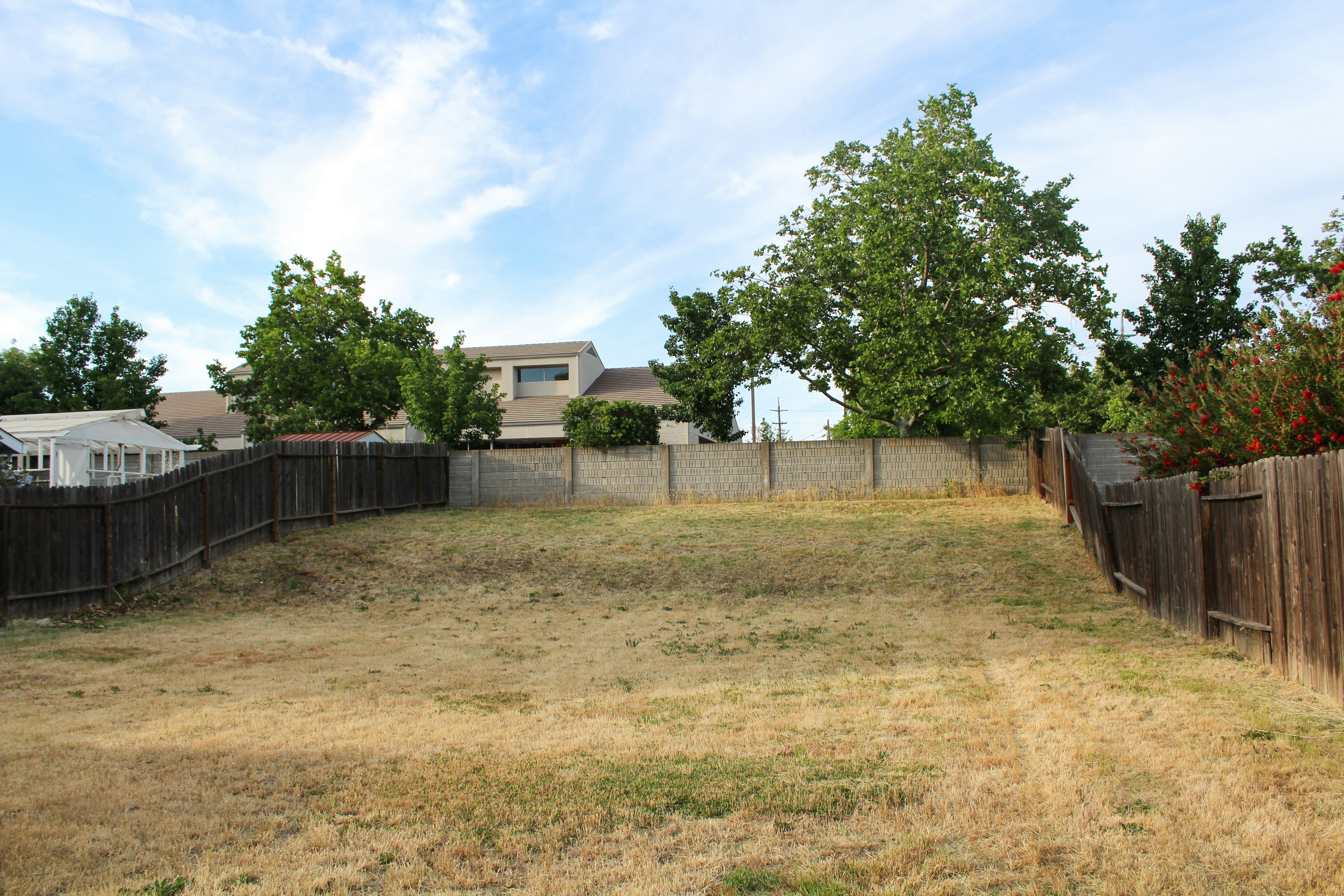
Backyard layout, setbacks, access, utilities, and other site conditions can affect where an ADU may be placed.
How Many ADUs Can I Have on an Albany Property?
The answer depends on the type of property.
For a lot with one single-family dwelling, Albany currently allows either:
- one JADU plus one attached, newly detached, or converted ADU; or
- one JADU, one newly detached ADU of up to 800 square feet, and one converted ADU.
Properties with multiple single-family dwellings, duplexes, or multifamily buildings have different combinations available, including rules for detached and converted units. Because those rules are more complex, owners should confirm the exact configuration with Albany Planning before assuming how many units a specific site can support.
Does Albany Require Parking for an ADU?
No off-street parking is currently required for an ADU in Albany.
That is a useful planning point for smaller lots, but it does not mean every site works the same way. Access, egress, building placement, utilities, drainage, flood-zone conditions, and other site-specific constraints may still affect a project.
Do Albany ADUs Need a Separate Entrance, Address, and Mailbox?
Yes. Albany currently requires ADUs and JADUs to have a separate entrance from the main entrance of the primary dwelling.
The City also requires each ADU and JADU to receive a separate address and a mailbox for each residential unit. Albany's guidance calls for the unit's location to be clear from the street through address numbering, pathways, or site layout so residents, mail carriers, and emergency services can identify it.
Can I Use an Albany ADU as a Short-Term Rental?
Not for stays shorter than 30 days under Albany's current ADU rules.
The City states that an ADU or JADU may not be rented for a term shorter than 30 days. If rental use is part of your plan, confirm the current local rules before advertising or entering into an agreement.
Do I Have to Live on the Property?
Albany's current rules distinguish between ADUs and JADUs:
- ADUs: exempt from owner-occupancy requirements.
- JADUs: subject to an owner-occupancy requirement.
That difference can matter when a homeowner is deciding between a full ADU and a JADU, especially if future occupancy or sale plans are part of the decision.
Can an Albany ADU Be Sold Separately From the Main House?
Generally, Albany's current guidance does not allow an ADU or JADU to be sold separately from the primary dwelling except as provided under California Government Code Section 66341.
Government Code §66341 applies only when specified statutory conditions are met. Because separate-sale rules are technical and can depend on current state law and local implementation, homeowners should confirm the current rules with the City of Albany and qualified legal counsel before relying on a separate sale.
If separate ownership is important to your plans, verify the current requirements before making financial, development, or sale decisions based on that possibility.
Do I Need a Permit to Build an ADU in Albany?
Yes. Albany requires a building permit for ADU construction. The City's current guidance says a separate Planning approval is not required for an ADU.
That does not mean every project is automatically ready to build. A permit package may still involve plans and site-specific technical information.
For example, Albany notes that a newly constructed detached ADU proposed closer than 4 feet to a property line requires form certification by a licensed surveyor before the foundation pour.
Do Albany ADUs Need Fire Sprinklers, Solar, or Separate Utilities?
These details depend on the project:
- Fire sprinklers: building an ADU does not, by itself, trigger a requirement to add sprinklers to the existing primary dwelling. Sprinklers are required in the ADU if they already exist or are required in the primary dwelling.
- Solar: Albany's current guidance says newly constructed detached ADUs are required to have photovoltaics under the California Energy Code.
- Utilities: the City does not require separate utility meters or connections for an ADU, although PG&E may have separate requirements.
These are the kinds of details that should be confirmed during project design rather than after construction starts.
What If My Albany ADU Was Built Without Permits?
Albany currently offers an ADU Amnesty Program for certain unpermitted ADUs and JADUs constructed before January 1, 2020.
The program provides a pathway to legalize a qualifying unit through a simplified process. The City says owners can explore the program with Community Development staff before formally applying.
Eligibility still has to be established, and the City makes an important distinction: participation in the amnesty program does not mean the unit automatically meets current Building Code standards or that no code violations exist.
If you are preparing to sell:
An unpermitted second unit should not be marketed as though its legal status is already settled. First gather the facts, verify the City's records, and understand what documentation exists.
What Does Albany Ask for in the ADU Amnesty Process?
The City's current process asks owners to document that the unit was created before January 1, 2020 and provide supporting materials for City review.
Examples the City lists include construction contracts or receipts, County Assessor records, escrow documents, or other evidence showing when the unit was created. Architectural plans and the property's grant deed are also part of the application materials.
If the unit qualifies, additional inspection and corrective work may still be required before the City recognizes the ADU as legal.
Does Albany Have Pre-Approved ADU Plans?
Albany has created a pre-approved detached ADU program intended to streamline review for qualifying projects.
However, as of this article's September 26, 2026 review date, the City's website states that no pre-approved plans are currently available.
Even when plans become available, "pre-approved" does not mean "pre-permitted." Albany explains that owners still need site-specific materials such as a site plan, survey, soils report, drainage information, and other project documents when applicable.
If you are reading this later, check the City's current ADU page because plan availability can change.
What Should I Verify Before Selling a Home With an ADU in Albany?
If a property already has an ADU, garage conversion, in-law unit, or second kitchen, do not wait until buyers start asking questions to figure out what it is.
Before marketing the property, it is useful to gather and verify:
- building permits and final inspection records, if available;
- approved plans or other City documentation;
- the separate address assigned to the unit;
- documentation from an amnesty or legalization process, if applicable;
- utility setup and any separate-meter information;
- current rental agreements, if the unit is occupied;
- any known repairs, upgrades, or unresolved conditions;
- how the unit has been described in prior listings, tax records, and seller records.
The goal is not to make promises about value, rental income, or development potential. The goal is to give buyers a clear, accurate picture of what exists and what documentation supports it.
If condition is part of the question, our guide on how to choose a home inspector in California explains why a general home inspection and specialized professional evaluations are not the same thing.
Does an ADU Automatically Increase My Home's Sale Price?
No specific increase should be assumed.
Buyers may value additional permitted living space, flexibility, or a separate unit differently depending on the property, condition, documentation, layout, location, and current market.
Albany's City guidance notes that creating an ADU or JADU may have property-tax implications and directs owners to the Alameda County Assessor for assessment questions.
From a resale standpoint, the more useful question is not "How much value does an ADU add?" It is:
"Can a buyer clearly understand what the unit is, how it was approved, and how it fits the property?"
How Do ADU Rules Fit With Other Albany Property Requirements?
An ADU is only one piece of the property picture.
Owners of certain multifamily buildings may also have separate local requirements that have nothing to do with the ADU ordinance. For example, qualifying Albany buildings can be subject to the City's soft-story retrofit program.
If you own a multifamily property, read our guide: Albany Soft-Story Retrofit Deadline 2026 .
ALBANY • ADUs • HOME SELLERS
Thinking About Selling an Albany Home With an ADU?
Before you choose a price or write the marketing copy, start by getting clear on what the unit is, what documentation exists, and what buyers are likely to ask.
No pressure. Just a clear conversation about the property, your timeline, and the best way to prepare for the market.
Frequently Asked Questions About Albany ADU Rules
How big can an ADU be in Albany, CA?
On a single-family property, Albany currently allows an attached or detached ADU up to 850 square feet, or up to 1,000 square feet when it has two or more bedrooms. JADUs are limited to 500 square feet. Converted ADUs are treated differently because they use existing space.
Does Albany require parking for an ADU?
Albany's current ADU rules do not require off-street parking for an ADU. Other site conditions, access requirements, and building rules can still affect the design of a specific project.
Can I rent an Albany ADU on Airbnb or for short stays?
Albany currently prohibits ADUs and JADUs from being rented for terms shorter than 30 days. Check the City's current rules before relying on any rental plan.
Do I have to live on the property if I build an ADU?
Albany currently exempts ADUs from owner-occupancy requirements, but JADUs remain subject to an owner-occupancy requirement. That distinction should be considered when deciding which type of unit fits your plans.
Can I legalize an older unpermitted ADU in Albany?
Possibly. Albany has an ADU Amnesty Program for certain unpermitted ADUs and JADUs constructed before January 1, 2020. Eligibility must be established with the City, and repairs or upgrades may still be required before the unit is recognized as legal.
Can I sell an Albany ADU separately from the main home?
Albany's current guidance says an ADU or JADU may not be sold separately from the primary dwelling except as provided under Government Code §66341. Because separate-sale rules are technical, owners should confirm the current rules with the City of Albany and qualified legal counsel before relying on separate ownership.
About Sara Min Zhao
Sara Min Zhao, REALTOR®, DRE #01449007, is the founder and Chief Listing Strategist of Ask Ponytail | KW Advisors. She helps East Bay homeowners make informed decisions about preparation, pricing, marketing, and negotiation using local market data and property-specific strategy.
Sara works with homeowners and sellers throughout Albany, Berkeley, El Cerrito, Richmond, Oakland, and surrounding East Bay communities.