
Published June 10, 2026
The Simple Guide to East Bay Roof Insurance and Disclosure Problems

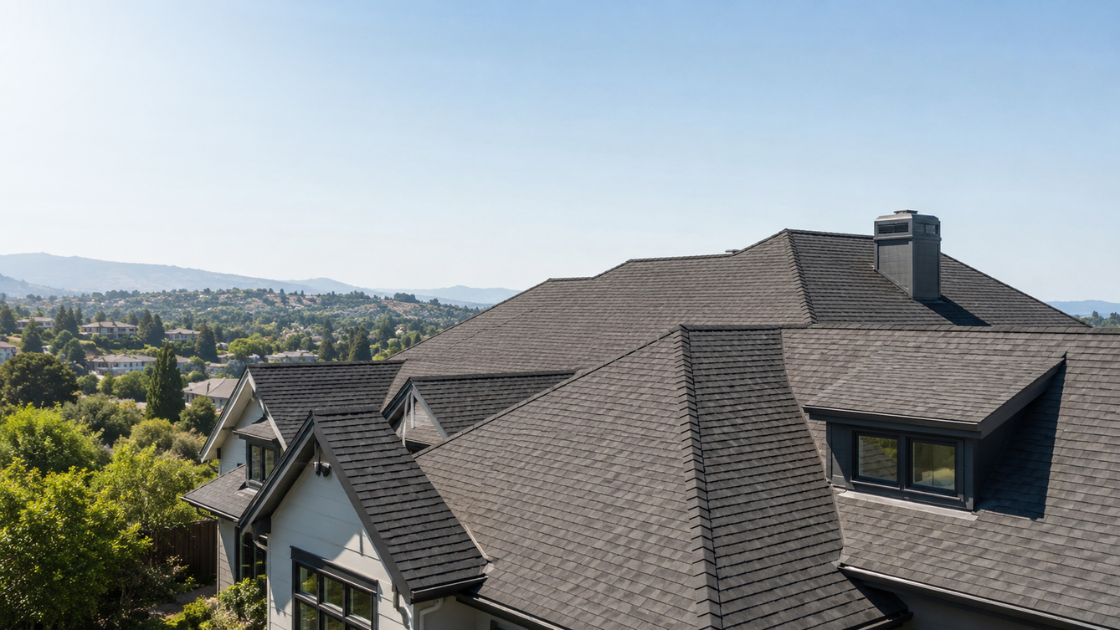
You know what can quietly slow down a home sale?
Not the paint color.
Not the staging.
Not even the old kitchen tile.
It is often the roof.
In the East Bay, a roof is not just a roof anymore. It can affect the buyer’s insurance, the lender’s comfort level, the inspection report, the negotiations, and the seller’s disclosure package.
And here is the part many homeowners do not realize until they are already in escrow.
A buyer may love your home, write a strong offer, and still get nervous if the roof looks old, has past leaks, shows deferred maintenance, or raises insurance concerns.
That does not mean you need to panic. It means you need a smart plan before your home hits the market.
This guide is for East Bay homeowners who want fewer surprises, stronger buyer confidence, and a smoother path to closing.
Key takeaway: Roof issues do not have to ruin a sale. But hidden, unclear, or poorly explained roof issues can create fear fast.
Why are roof issues such a big deal in East Bay real estate?
Roof issues matter because they touch three things buyers care about most:
- Safety
- Cost
- Risk
A buyer may look at an older roof and wonder:
- Will I need to replace this soon?
- Will my insurance company cover the home?
- Did the seller know about a leak?
- Is this going to become a big bill after closing?
In many East Bay neighborhoods, homes are older, microclimates vary, and fire risk can be part of the insurance conversation. A roof that looks “fine enough” to a seller may look like a future problem to a buyer, an inspector, or an insurance underwriter.
California Civil Code Section 1102 applies to certain transfers of single-family residential property, including sales, and covers disclosure rules for residential property transfers.
That is why Sara’s approach is simple: bring roof concerns into the light early, frame them clearly, and help the buyer understand what is known, what has been repaired, and what still needs review.
What roof problems should East Bay sellers disclose?
Sellers should disclose known roof problems, past leaks, repairs, water intrusion, drainage concerns, and anything else they know that could affect the property.
That does not mean you need to guess. It means you should be honest about what you actually know.
Common roof-related disclosure items may include:
- Past roof leaks
- Active leaks
- Roof repairs
- Missing or damaged shingles, tiles, or flashing
- Dry rot or water stains
- Gutter or drainage problems
- Skylight leaks
- Chimney flashing issues
- Previous insurance claims
- Contractor reports or roof estimates
- Roof replacement history
- Known permit or workmanship concerns
Simple rule: If you would want to know it as the buyer, it probably deserves a conversation with your real estate agent and disclosure review.
This is not about scaring buyers away. It is about building trust.
A buyer can handle an older roof.
A buyer can handle repairs.
A buyer can even handle an estimate.
What buyers struggle with is uncertainty.
How does homeowners insurance affect an East Bay home sale?
Homeowners insurance affects a sale because most buyers using a loan need proof of insurance before closing.
If insurance becomes hard to secure, expensive, or limited, the buyer may hesitate. In some cases, the transaction timeline can be affected.
The California FAIR Plan says it is an insurer of last resort that provides basic property insurance when no other option is reasonably available. It also describes itself as a temporary safety net for homeowners until traditional coverage becomes available again.
That matters in the East Bay because buyers are paying attention to insurability more than they used to.
A roof may come into the insurance conversation when it is:
- Past its expected life
- Made of certain materials
- Flat or low-slope
- Visibly worn
- Missing maintenance records
- Connected to prior claims
- Located in a higher fire-risk area
A May 2026 San Francisco Chronicle report found that some of California’s largest home insurers use roof-related underwriting rules tied to roof age, material, slope, and condition. The report also noted that flat roofs, wood roofs, and roofs past expected life can create coverage concerns.
So, no, this is not just “buyer nerves.”
This is now part of how smart buyers think.
What should sellers do before listing a home with an older roof?
Start with clarity.
You do not always need to replace the roof before selling. But you do need to know what story the roof is going to tell once buyers, inspectors, and insurance companies start looking.
Here is a simple pre-listing plan.
1. Gather roof records
Find receipts, warranties, permits, contractor invoices, inspection notes, and insurance claim records.
Even if the roof is older, records help buyers see what was done and when.
2. Check for visible warning signs
Look for:
- Ceiling stains
- Peeling paint
- Sagging gutters
- Missing shingles
- Cracked tiles
- Moss or heavy debris
- Signs of poor drainage
These issues do not always mean the roof is failing. But they may raise questions during inspection.
3. Consider a roof inspection before listing
A pre-listing roof inspection can help you understand the condition before the buyer’s inspector does.
This gives you more control. You can decide whether to repair, disclose, credit, or price with the roof in mind.
4. Price and market the home with the roof in mind
If the roof is near the end of its life, the pricing strategy should reflect that.
A strong agent will help you avoid overpromising and underpreparing.
5. Disclose clearly and calmly
Good disclosure is not dramatic.
It is factual, clean, and complete.
6. Have a negotiation plan ready
Some sellers repair.
Some offer credits.
Some sell as-is with strong documentation.
The right move depends on your home, market conditions, buyer demand, and your timeline.
Key takeaway: You do not need a perfect roof to sell. You need a clear plan.
Should you replace the roof before selling in the East Bay?
Sometimes yes. Sometimes no.
A new roof can make a home feel safer, cleaner, and easier to insure. It can also reduce buyer objections.
But roof replacement is not always the best financial move before selling.
The answer depends on:
- The roof’s current condition
- The age and style of the home
- Your expected sale price
- Local buyer expectations
- Insurance concerns
- The cost of replacement
- How soon you want to list
- Whether buyers are likely to request credits anyway
For example, if the roof is actively leaking, that is different from a roof that is older but still functional.
If a buyer is likely to struggle with insurance, that is different from a simple cosmetic concern.
This is where Sara’s guidance matters. A good East Bay real estate strategy looks at the roof through the eyes of the buyer, the inspector, the insurance provider, and the appraiser.
Not just the seller.
What does a buyer need to know about roof and insurance issues?
Buyers need to know that the roof can affect both future costs and insurance options.
Before writing an offer, a buyer should ask:
- How old is the roof?
- Are there roof permits or repair records?
- Has there ever been a leak?
- Has the seller made insurance claims related to the roof?
- Are there signs of water intrusion?
- Can insurance be secured at a reasonable cost?
- Does the home need fire-hardening work?
- Is the roof material common for the area?
- Will the lender have concerns?
The California Department of Insurance offers a Homeowners Insurance Comparison Tool to help consumers compare homeowners, condominium, renters, and earthquake coverage options. It also says buyers should contact an agent, broker, or insurer for exact premiums and eligibility.
Buyer tip: Start the insurance conversation early. Do not wait until the end of escrow to find out the roof is creating coverage questions.
How can sellers avoid roof disclosure problems?
The best way to avoid roof disclosure problems is to slow down before listing and get organized.
Here is the simple version:
- Tell the truth.
- Share what you know.
- Do not hide old repairs.
- Do not guess when you are unsure.
- Keep paperwork.
- Let licensed professionals speak to condition.
- Work with an agent who understands East Bay buyer concerns.
A disclosure issue usually gets worse when the buyer feels surprised.
Think about it this way.
A roof concern explained upfront feels like a known item.
A roof concern discovered later feels like a red flag.
That emotional shift can change everything.
What is the best way to frame roof issues when selling?
The best frame is honest, calm, and solution-focused.
Instead of pretending the roof does not matter, Sara can help position the home with confidence:
“This home has been lived in, cared for, and documented. Here is what we know. Here is what has been repaired. Here is what buyers may want to inspect further.”
That tone matters.
It tells the buyer, you are not walking into a mystery.
It also protects the seller from sounding defensive.
For sellers, the goal is not to make every issue disappear. The goal is to remove fear from the conversation.
What should East Bay homeowners remember right now?
Roof, insurance, and disclosure issues are now connected.
That is the big idea.
In the past, a roof issue may have been mostly about repair cost. Today, it can also affect insurability, buyer confidence, lender timing, and negotiation power.
The California FAIR Plan reports that, as of March 2026, its total exposure was $750 billion, up 242% since September 2022. That growth shows how important insurance planning has become for California homeowners.
So, if you are selling in the East Bay, do not treat the roof as a small side note.
Treat it as part of your full listing strategy.
The obvious solution: get ahead of the issue before the market reacts to it for you.
How Sara helps East Bay sellers move with confidence
Sara’s role is not just to put a sign in the yard.
It is to help you see around corners.
That means helping you understand which roof and insurance issues may matter before buyers use them to negotiate. It means helping you decide whether to inspect, repair, disclose, credit, or simply price with clarity.
It also means helping you keep the deal human.
Because behind every roof report is a real person trying to make a big decision.
A seller wants protection.
A buyer wants peace of mind.
A strong agent helps both sides move forward with clearer facts and less fear.
Ready to sell without roof surprises?
Before you list, schedule a Roof, Insurance, and Disclosure Review with Sara.
Bring what you have: old roof receipts, insurance notes, inspection reports, contractor bids, or just your questions.
Sara will help you understand what may matter, what may not, and what steps can make your East Bay sale feel cleaner, calmer, and better prepared.
Let’s build a plan around your goals. Visit AskPonytail.com or contact Sara here to get started.
Reach out to Sara today and get your home sale plan clear before buyers start asking the hard questions.
FAQ
Do I have to replace my roof before selling my East Bay home?
No. Many homes sell with older roofs. The better question is whether the roof condition affects price, buyer confidence, insurance, or negotiations.
Do roof leaks need to be disclosed in California?
Known roof leaks should be discussed with your real estate agent and disclosed properly. Sellers should not hide known property issues.
Can an old roof make it harder for a buyer to get insurance?
Yes, it can. Some insurance companies review roof age, material, condition, slope, and other risk factors when deciding whether to offer coverage.
What is the California FAIR Plan?
The California FAIR Plan is an insurer of last resort. It provides basic property insurance when traditional coverage is not reasonably available.
Should I get a roof inspection before listing?
It can be a smart move, especially if the roof is older, has had past leaks, or may raise buyer concerns.
Can I sell my home as-is with roof issues?
Yes, but “as-is” does not remove disclosure duties. Buyers still need clear information about known issues.
What is the best first step before listing?
The best first step is to gather your roof records and schedule a Roof, Insurance, and Disclosure Review with Sara before going live on the market.
About Sara Min Zhao
Sara Min Zhao, Real Estate Ask Ponytail, helps East Bay clients make clear, data-backed real estate decisions with a calm, hands-on process. Whether you are buying, selling, or weighing your next move, Sara brings local insight, strategic preparation, and careful execution to each step.
Website: https://www.askponytail.com/
Blog: https://www.askponytail.com/blog
Contact: https://www.askponytail.com/contact
Sources
- California Legislative Information, California Civil Code Section 1102
https://leginfo.legislature.ca.gov/faces/codes_displaySection.xhtml?lawCode=CIV§ionNum=1102 - California FAIR Plan, Home Page
https://www.cfpnet.com - California FAIR Plan, Update from the California FAIR Plan
https://www.cfpnet.com/update-from-the-california-fair-plan-6 - San Francisco Chronicle, Here are exactly what roof types California’s 20 largest insurers won’t cover
https://www.sfchronicle.com/california/article/home-insurance-roof-california-22267447.php - California Department of Insurance, Homeowners Insurance Comparison Tool
https://interactive.web.insurance.ca.gov/apex_extprd/f?p=111:20 - California Department of Insurance, Find an Agent or Broker
https://interactive.web.insurance.ca.gov/apex_extprd/f?p=119 - California FAIR Plan, Key Statistics and Data
https://www.cfpnet.com/key-statistics-data
Sell Faster and Smarter with Our Home Listing Services
Our home listing service transforms the complex journey of selling your home into a rewarding experience, ensuring every detail is expertly handled. From setting the right price to crafting marketing strategies, we provide comprehensive support to maximize your home's potential in the market. By choosing us, you'll enjoy the peace of mind that comes with knowing your home sale is in the hands of seasoned professionals dedicated to achieving the best possible outcome for you. Fill out the form below to get started.
- 4937 Telegraph Ave, Unit A, Oakland, CA 94609
- askponytail@gmail.com

Sara Min Zhao Realtor ® (DRE# 01449007)
Chief Listing Strategist, Founder, Team Leader & East Bay Top 1% Agent | Ask Ponytail | Keller Williams Luxury
or another way